


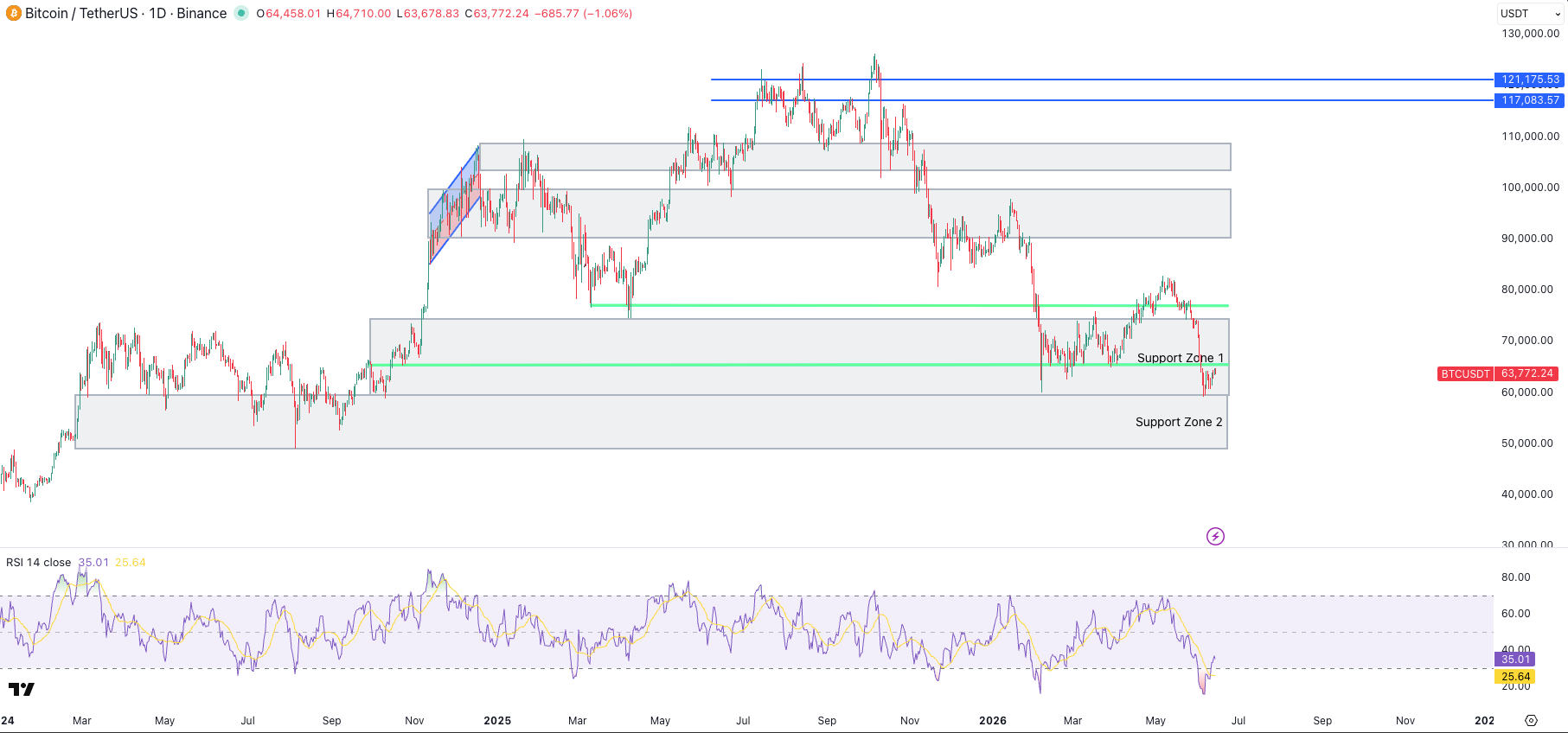
Last week’s, Insider - Air Pockets, we framed the market as a bottoming process, not an all-clear. That still looks right in our view. We expected a bounce, and we got one. BTC reclaimed the low $60k area and total market cap ex stablecoins bounced fmor long-term support. Daily RSI on both recovered from panic levels (sub 20) into low-to-mid 30s. But the evidence still points to a technical reversal rather than a final low.
The clearest improvement from last week is Strategy. After unnerving the market with its first BTC sale in years, the company disclosed that it bought 1,550 bitcoin for about $101.3 million at an average price of $65,332, lifting holdings to 845,256 BTC. The same filing also said cash reserves were increased by $100 million to $1 billion.
In other words, one obvious overhang has shifted from “maybe marginal seller” back toward “still buying when the balance sheet can support it”. That is constructive, but it is not a sufficient condition for calling the low.
Crypto
The bullish case for last week was straightforward. BTC flushed below $60,000 on 5 June, leverage got carried out, and the market was ripe for a rebound.
BTC ETF flows remain weak. Last week saw another -$319M of net outflows. That is a much slower pace than the prior weeks, which is constructive at the margin, but it is still an outflow week. More importantly, it marks the fifth consecutive week of negative BTC ETF flows, the longest negative streak we have seen so far. The cumulative number matters too. Over the last five weeks, BTC ETFs have seen roughly $5.076B of outflows. That makes this the second-largest five-week outflow window on record, behind only the March 2025 stress period, when outflows reached roughly $5.4B.
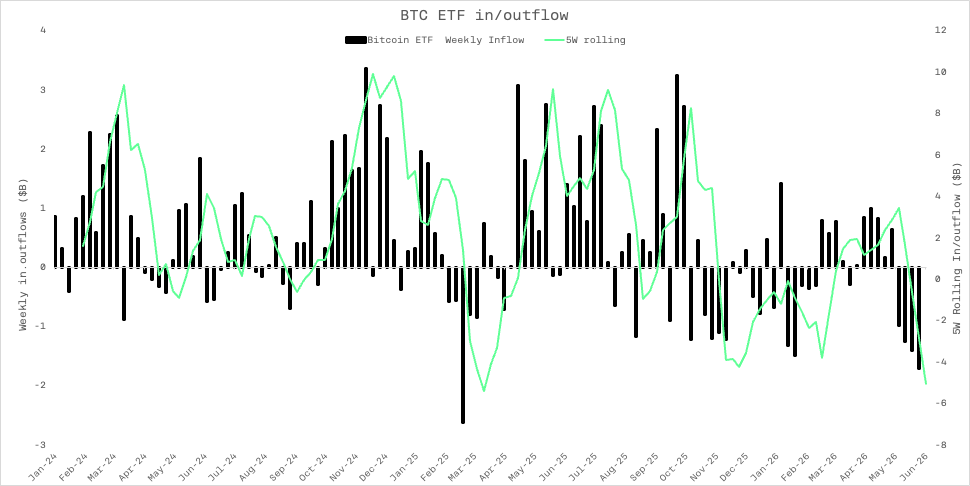
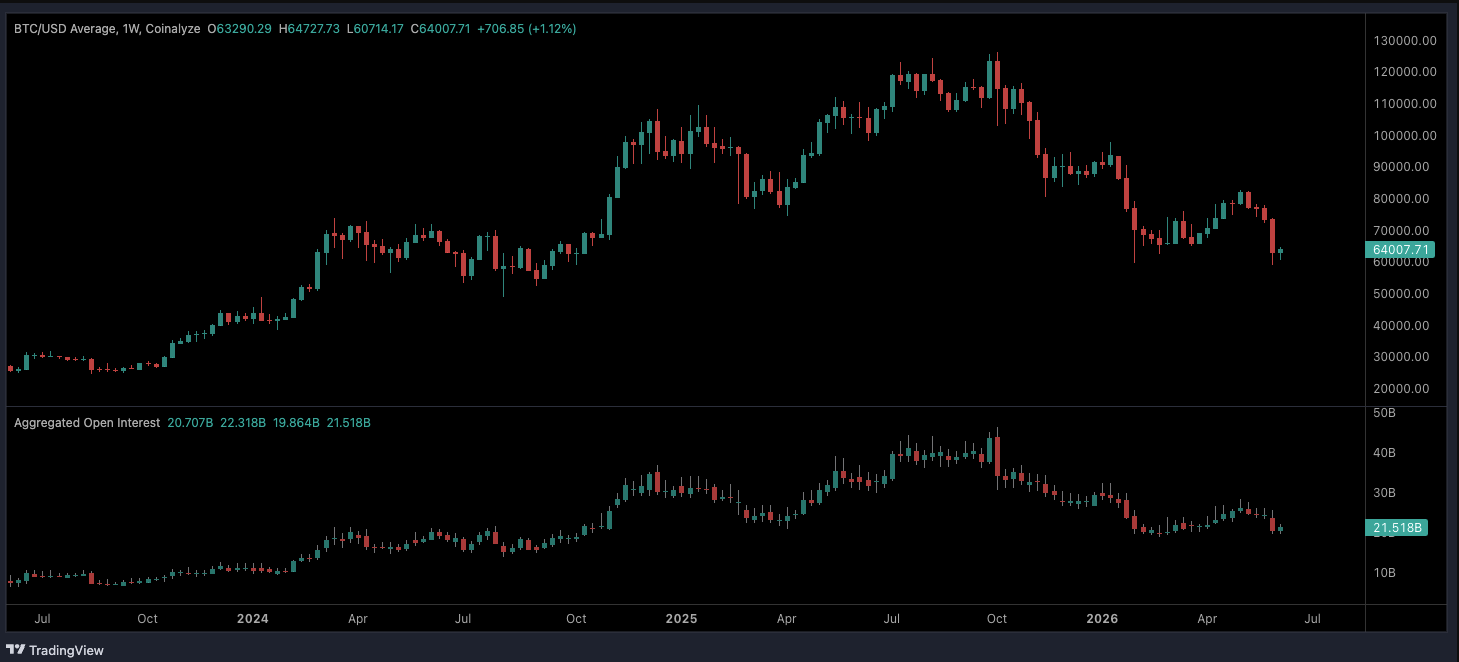
That is why we treat the bounce as technical first. The story is that sell pressure slowed enough for an oversold market to bounce, with sentiment still hurt by Strategy’s earlier sale, weak ETF demand and the continuing appeal of equity markets. On the price side, your BTC chart is saying something similar: the market has stabilised around the low-$60,000s, but it has not yet reclaimed enough territory to say the trend has repaired. This is exactly what a bottoming process tends to look like in the middle, not at the end.
The liquidation backdrop also supports that reading. The sell-off was large enough to clear weaker hands, with reports of roughly $1.77 billion in crypto liquidations during the worst of the move. That helps explain why the rebound was sharp: once the weak longs are gone, the market does not need much good news to lift. But sharp relief does not mean the market has earned the right to trend yet. It means the market is less fragile than it was one week ago.
The same logic applies to the broader market.
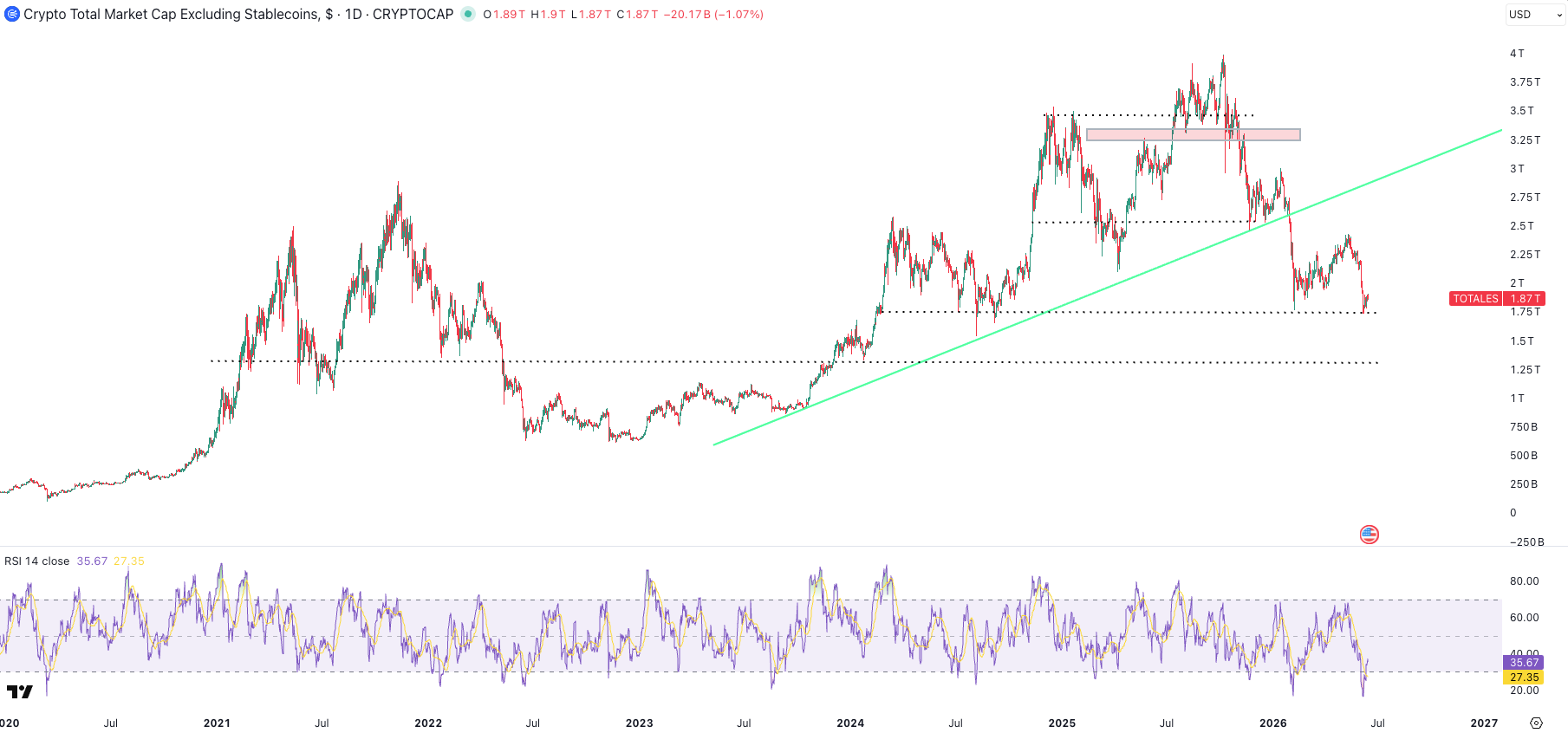
TOTALES ex-stables bounced from an important support band around the $1.8T area. That level matters because it sits near the prior structural breakout region. If it holds, the market can keep building a bottoming structure. If it fails, the next clean level is much lower.
So the update on crypto is simple. The market was oversold enough to bounce. Strategy buying again removes one near-term fear. But the flow picture still looks tactical rather than structural, and that keeps us in the camp of buyable reversal, not confirmed bottom.
AI versus crypto
SpaceX continues to have all eyes this week. The IPO raised $75 billion by selling 555.6 million shares at $135, valuing the company at about $1.78 trillion. The stock gained roughly 19% on their first day, pushing the valuation to around $2.1 trillion. However, digging a bit deeper, this is what in crypto is called a low float, high FDV: the raise at pricing represents only about 4.3% of the implied value, and versus the first-day valuation it is closer to 3.6%. That helps explain why the stock could trade higher across the day without telling you much about long-run clearing demand.
More importantly, SpaceX is not a one-off. Anthropic recently raised $65 billion at a $965 billion valuation and has confidentially filed for an IPO. OpenAI has confidentially filed and could target a valuation of up to $1 trillion, with its latest prive around raised $122B at a $852B valuation. Put those together with SpaceX and the capital call is massive: about $262 billion of reported or recently committed capital and roughly $3.6 trillion of headline value even before assuming a full $1 trillion OpenAI IPO mark. Morgan Stanley, meanwhile, says global AI-related debt issuance could top $570 billion in 2026. This is not background noise. This is a competing sink for global risk capital.
That is why the “AI versus crypto” framework still works. The SpaceX deal and the AI pipeline to liquidity being drawn away from crypto, and the crypto tape fits that explanation. But the relative setup is getting more interesting. Looking at TOTALES/Nasdaq chart, crypto versus tech is back on long-term relative support and looks oversold.
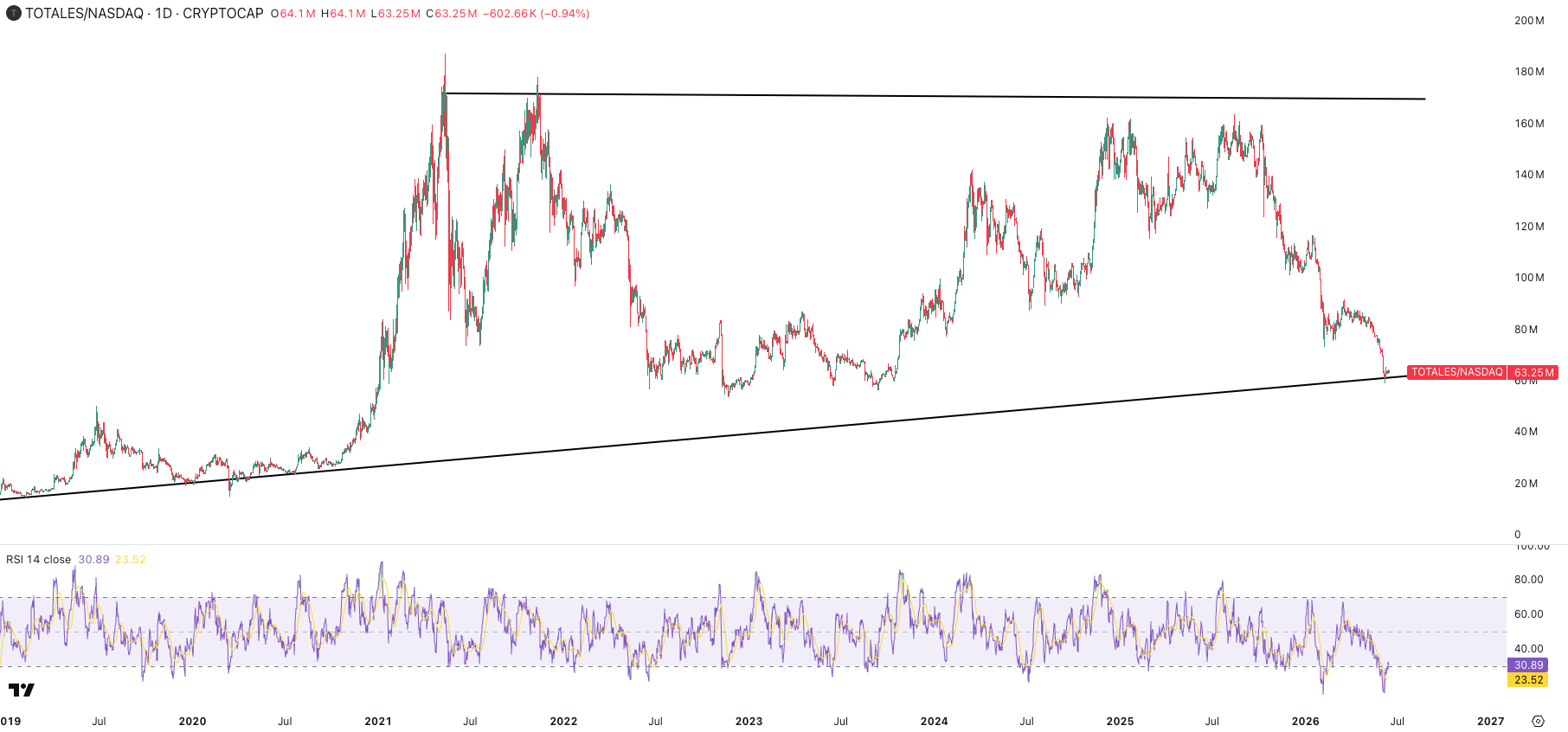
Nasdaq is sitting between the 20-day and 50-day moving averages. Break either level and trend should follow. If AI hype unwinds slowly, that relative setup could become a positive tailwind for crypto.
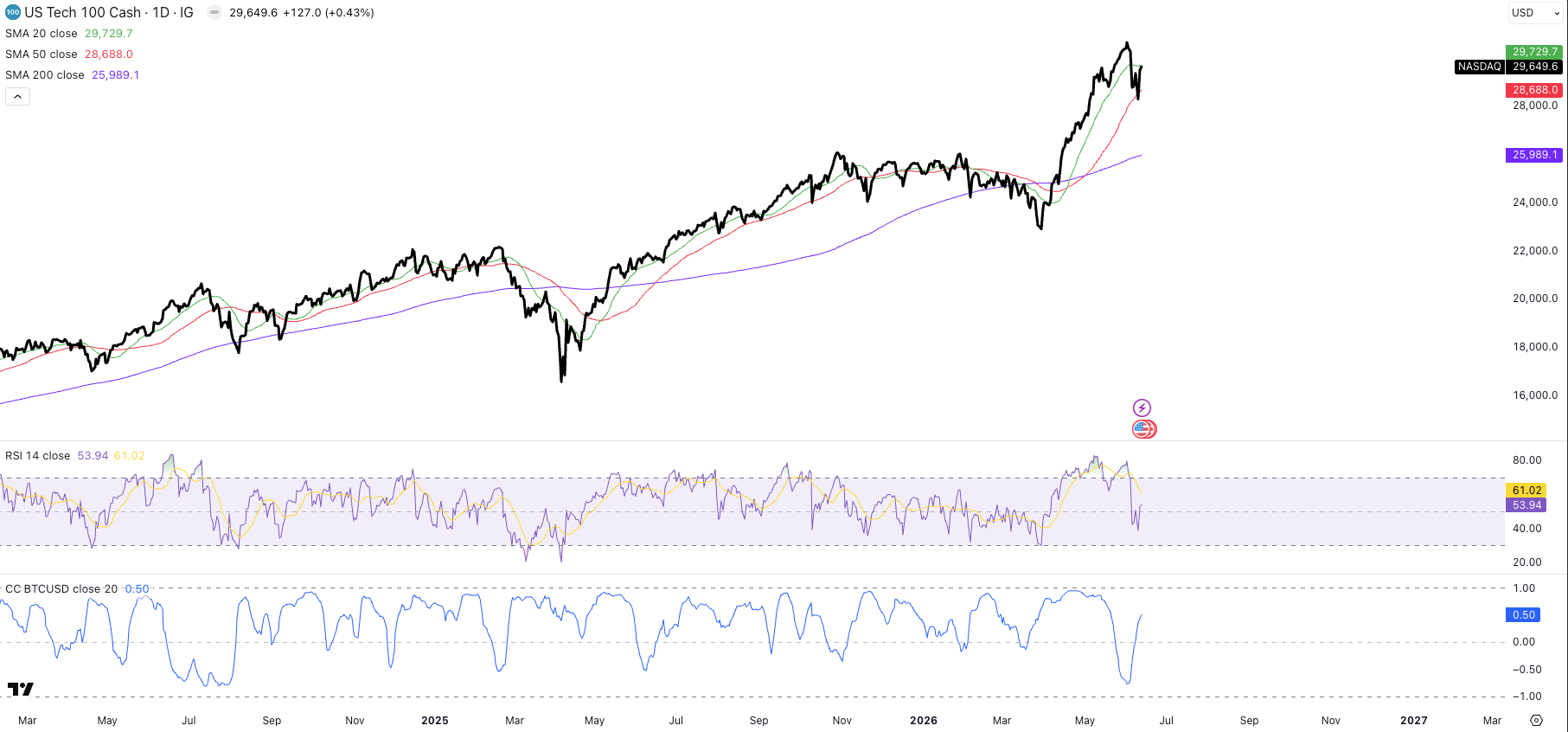
If we instead get a broader risk-off move, the correlation of BTC/Nasdaq chart, now back around 0.5 after negative readings late in May, is a reminder that crypto may go lower first before it outperforms later.
Macro
Macro is still the brake. The May U.S. jobs report showed nonfarm payrolls rising by 172,000, with unemployment unchanged at 4.3%. Then came firmer inflation prints. CPI rose 4.2% year on year in May, with core CPI at 2.9%. Producer prices were even hotter: headline PPI rose 6.5% year on year, and final demand less foods, energy and trade services rose 5.1%. That is not the recipe for an easy liquidity tailwind into risk assets. It is the kind of mix that keeps the market nervous about rates staying restrictive for longer.
The next FOMC meeting this week on 16–17 June, and the Federal Reserve calendar marks it as one of the meetings accompanied by fresh Summary of Economic Projections. Market is currently pricing unchanged rate path fir 2026, with a slight chance for potential hikes.
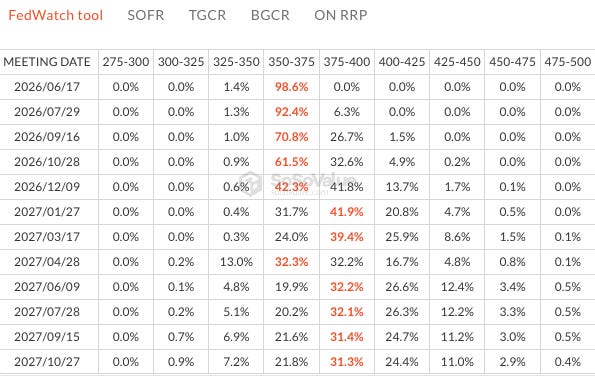
If Chair Warsh leans hawkish into sticky inflation, it is hard to see crypto getting the macro clearance needed for a durable low just yet.
The swing variable is energy. Reuters reported today that Iran says a draft memorandum with the U.S. would include immediate reopening of the Strait of Hormuz and temporary oil-sanctions relief. If that de-escalation sticks, one major inflation impulse could cool. If it does not, energy remains an upside risk to inflation and yields. For crypto, that means the macro tape is not outright hostile in one direction only; it is conditional. A softer energy backdrop could help. A renewed oil squeeze would probably hurt everything speculative, including crypto, before any relative rotation story can play out.
Bottom signal checklist
The house checklist still says bottoming process, not confirmed low. These are some of the things we look at:
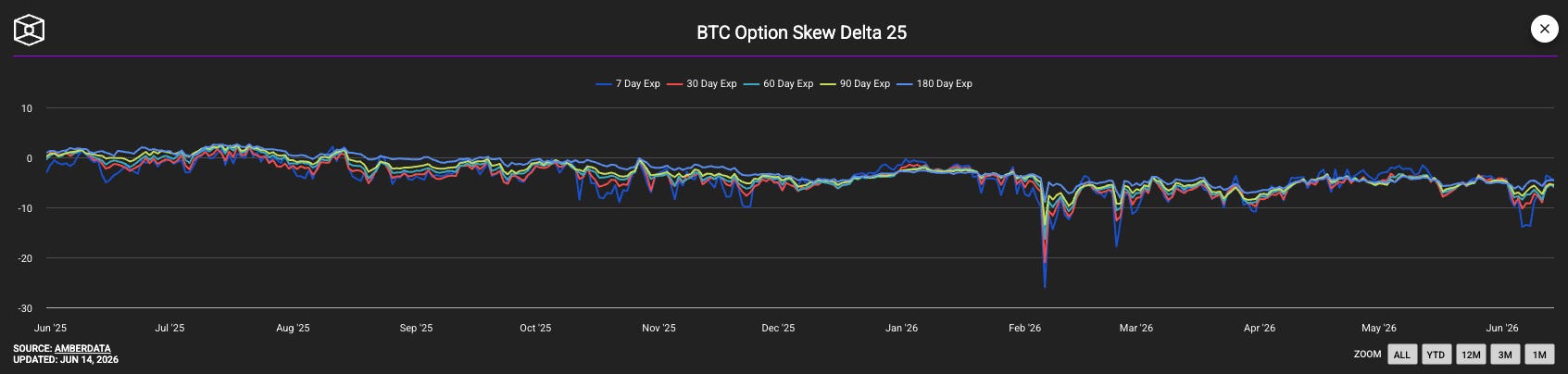
Twenty-five delta skew. This is really the price of downside insurance versus upside. You want fear to have shown up, but you also want to see it stop worsening. Right now the message feels more like defensive but easing than fully reset
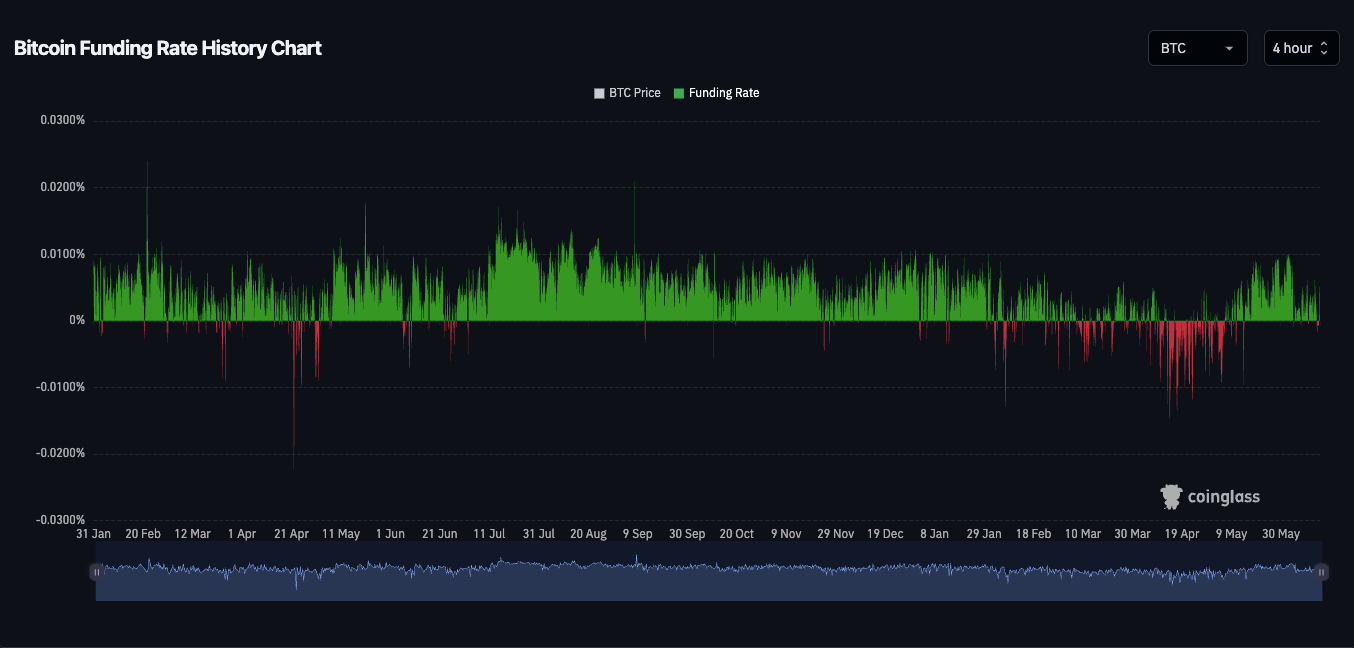
Perp funding negative. This is one of the cleaner washout tells because it shows frothy long positioning has finally been punished. We have seen enough stress in the move for that box to have flashed. That is constructive.
Quarterly basis. You want basis to compress hard and ideally flirt with inversion. We are clearly closer to exhaustion than to froth, but not yet in the sort of durable backwardation that usually shouts final low.
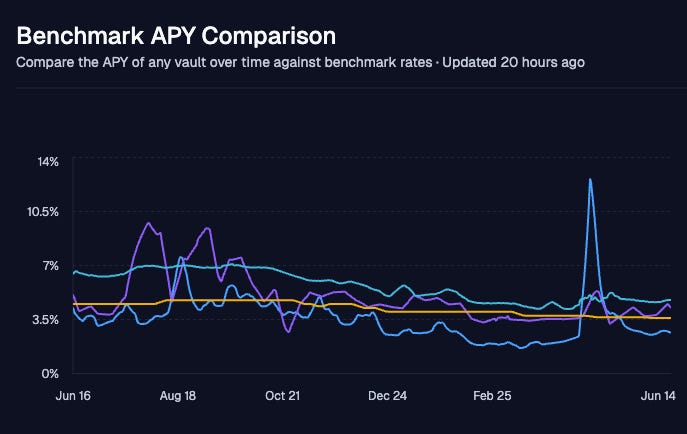
Stablecoin APR on Aave. We want cash-on-chain yields to be boring, not euphoric. The market is moving towards that low-APR zone, which is quietly positive. It says leverage demand is cooling
Term structure. Near-dated futures over far-dated futures is a genuine stress signal. We are much closer to flat than to healthy bull-market contango, but not yet at the type of inversion that would make me say the job is done.
Open interest divergence. If price is falling and OI is rising, new bearish positioning is still entering the market instead of the move being fully exhausted through liquidation. That keeps the structure looking more like redistribution than a final capitulation.
Total liquidations. The flush was long-led, which is what you want to see into a local low. This is one of the stronger constructive tells on the board. It supports the bounce call. It does not, by itself, prove the ultimate bottom is in.
Net-net, the checklist is moving in the right direction, but only some boxes are properly ticked. Enough for a tradeable reversal. Not enough for the all-clear.
Bottom line
We expected a bounce and we got one. But this still looks more like a technical reversal than a final bottom. Strategy buying again removes one fear. SpaceX’s blockbuster debut and the Anthropic/OpenAI pipeline keep AI as a competing sink for capital. Macro is still awkward rather than supportive. That keeps the right framing as crypto is getting attractive on a relative basis before it is fully safe on an absolute basis.
What would make the call cleaner? A calmer skew, a clearer funding washout, more obvious front-end stress in futures, and a Fed outcome that does not tighten financial conditions by rhetoric alone. Until then, the better posture is probably to respect the bounce, keep leaning into relative crypto-versus-Nasdaq attractiveness when the setup is there, and keep describing the market honestly: bottoming process, not confirmed bottom.